Brisbane



-

Email Us
info@excellentbondcleaning.com.au
-

Quick Contact
+61 47 828 6100
How to Fix Wall Scuffs, Marks & Damage Before Moving Out
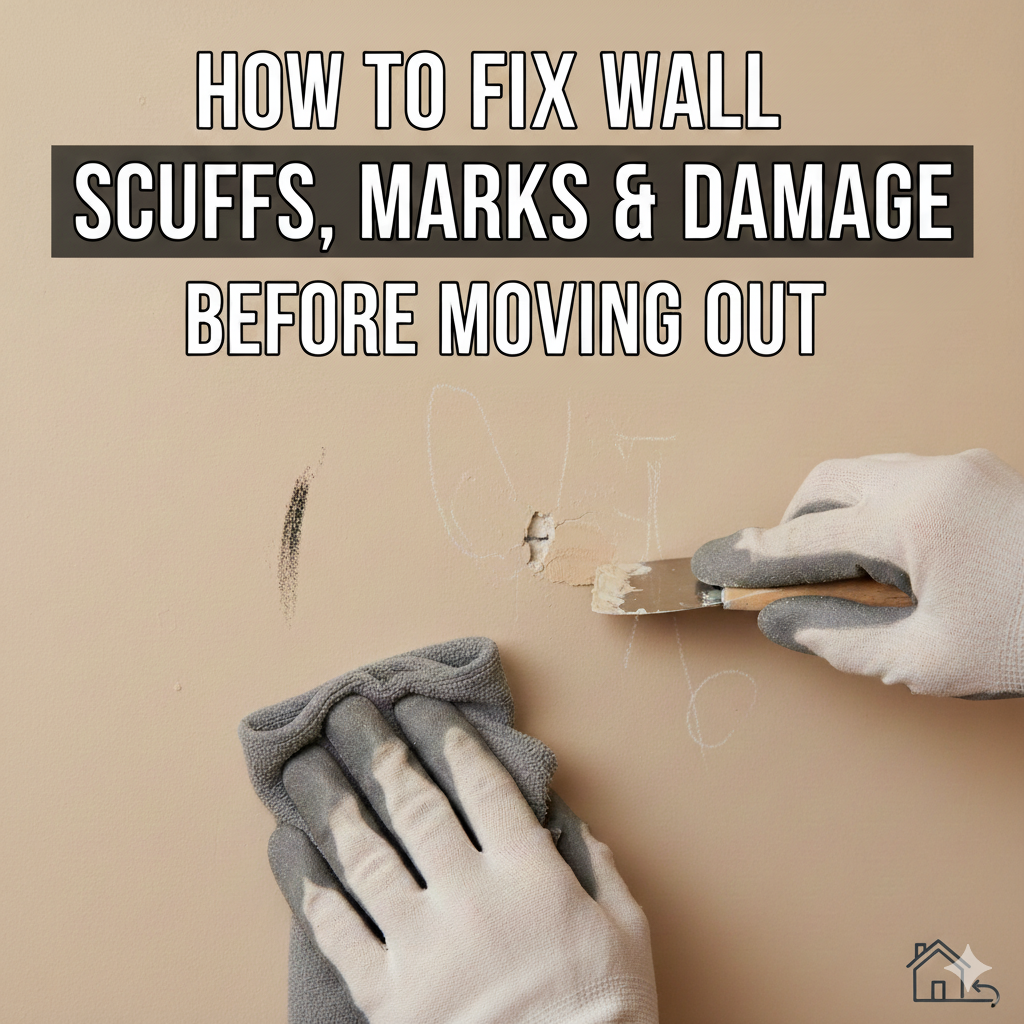
According to a study by Bondinator, ~25–30% of renters don't receive their full bond back. Oftentimes, this leads to a heavier, more confused argument. Hence, you must understand the right way to Fix Wall Scuffs, Marks, & Damage Before Moving Out. This will help ensure the best condition of the house and all associated items. Call Excellent Bond cleaning for more such insight and information. For a service, call us today and avail all the benefits.
Evaluate the Condition of Your Walls
Make sure to have a good rundown of all your rooms and jot down all that feels even a little bit off. Evaluating the condition of your walls is the first and most crucial step before planning any cleaning or repair work. Start by inspecting all surfaces under good lighting to identify scuffs, stains, holes, cracks, and areas with peeling paint. Pay attention to high-traffic zones, corners, and spots where hidden damage often occurs.
Check for moisture marks or mould, as these often take up more of their time for treatment and or cleaning. Understanding the type and severity of damage helps you choose the right cleaning methods and repair materials, ensuring efficient results and preventing unnecessary effort or additional costs during the end-of-lease process.
Cleaning Wall Scuffs & Surface Marks
A lot can go into this, from having the right wall cleaner to knowing the nature and texture. What really gets the paint, and what only removes the scuffs and surface marks. They are a big part of restoring a rented property to its original condition while moving out. Most scuffs are caused by furniture, luggage, shoes, or everyday contact.
Most of these can be taken care of with soapy water or other cleaning solutions. Addressing these blemishes early prevents deeper staining and helps maintain the wall’s finish without damage. By methodically inspecting each room and applying the right cleaning technique for each mark, tenants can significantly improve the overall presentation of the property and support a smoother bond return process.
Wall Repair Types and Mends to Ensure a Smooth Move-Out Process
Wondering how to address different issues while finalizing the house for sale? Here are all the fun things required to fix any and every problem arising in the house when leaving at the end of a lease. They help you be prepared in advance.
| Issue type | Common Issues | How to fix | Tools/ Products needed |
| Light Scuffs | Furniture rubbing, bags brushing against walls | Wipe gently using a damp microfiber cloth or magic eraser | Microfiber cloth, mild detergent, magic eraser |
| Surface Marks | Dirt stains, shoe marks, handprints | Clean with sugar soap or diluted cleaner; rinse and dry | Sugar soap, warm water, sponge |
| Nail Holes | Picture frames, wall décor | Fill holes with putty, sand, and touch-up paint | Wall putty, putty knife, sandpaper, and matching paint |
| Minor Dents | Door handles, moving furniture | Apply spackling paste, then sand smooth and repaint | Spackling paste, sandpaper, paintbrush |
| Paint Chips | Impact damage, peeling due to moisture | Scrape loose paint, patch with filler, and repaint the area | Scraper, filler, primer, paint |
| Deep Scratches | Sharp objects, pet damage | Fill with joint compound, sand, and repaint for a seamless finish | Joint compound, sanding block, roller/brush |
| Stubborn Stains | Grease, crayons, markers | Use specialty stain removers; repaint if the stain persists | Stain remover, primer-sealer, paint |
Documentation Before You Move Out
Proper documentation is necessary to protect your bond and avoid disputes with your landlord. Before vacating the property, thoroughly photograph and record the condition of every room, including walls, floors, fixtures, and appliances. Capture close-ups of cosing, damaging or ear and maintain clear time stamps. Here are a few things to keep in mind while finalizing the documentation of the entire property:-
- Take comprehensive, timestamped photos and videos of every room, including walls, floors, fixtures, and appliances.
- Capture close-up images of any pre-existing damage or wear to avoid being held responsible later.
- Compare your original entry condition report with the current condition of the property.
- Keep receipts and invoices for any cleaning, maintenance, or repair work you arranged before moving out.
- Document all communication with your landlord or property manager regarding repairs or agreed-upon tasks.
- Prepare a written checklist of completed cleaning and restoration tasks for your own record.
- Store all documentation digitally to ensure easy access during the final inspection or bond dispute.
Conclusion
With a careful assessment, the right cleaning methods, and simple repair techniques, most surface issues can be resolved quickly and affordably. Taking the time to restore your walls not only ensures compliance with your lease obligations but also demonstrates respect for the property. By following the steps outlined in this guide, you can move out with confidence, knowing you have minimized the risk of disputes and maximized your chances of receiving your full bond refund.
Frequently Asked Questions
What causes most wall scuffs and marks in rental properties?
Most scuffs occur from moving furniture, daily contact with bags, shoes, or appliances, and accidental impact. General wear and tear can also create minor stains or abrasions.
How do I know if a wall mark is considered normal wear and tear?
Light scuffs, small nail holes, and faded paint are usually classified as normal wear and tear. Deep dents, large holes, stains, and intentional damage are often considered tenant-caused damage.
Can I remove scuff marks without repainting the wall?
Yes. Many scuffs can be removed with a damp cloth, mild detergent, a magic eraser, or a baking soda paste. Repainting is only necessary when the mark has penetrated the paint layer.
What is the best way to fill small nail or screw holes?
Use a light spackle or wall filler, apply it with a putty knife, let it dry, sand it lightly, and touch it up with matching paint.
How do I fix deeper dents or cracks in the wall?
Clean the area, fill it with a stronger compound or patching plaster, sand it smooth after drying, and repaint the repaired section.
Do I need to repaint the entire wall or just the damaged spot?
If the paint colour matches perfectly, a touch-up may work. However, older or sun-faded walls often require repainting the full section for a consistent finish.
What should I do if I don’t know the exact paint colour used in my rental?
You can take a paint chip to a hardware store for colour matching, or contact your property manager to ask for the original paint details.
Latest Post
- How Professional Cleaners Remove Limescale, Soap Scum, and Mineral Buildup
- How Professionals Clean Blind Slats, Skirting Boards, and Light Fittings Properly
- Hidden Bond Cleaning Costs in Brisbane: Carpet, Oven, Pest Control & Windows Explained
- Eco-Friendly vs Chemical Disinfectants: What Brisbane Bond Cleaners Choose and Why
- Bond Cleaning in Older Queenslanders vs New-Build Apartments: What's Different
- Bond Cleaning Before or After Furniture Removal? Getting the Order Right
- What Products and Equipment Do Professional Bond Cleaners Use in Brisbane?
- What's Included in a Move-Out Pest Treatment in Brisbane & What's Not?
- Why Is Bond Cleaning So Much More Expensive Than A Regular Clean
- Can You Do Bond Cleaning Yourself In Brisbane? Pros And Cons
- Bond Cleaning for a 1, 2, 3 & 4 Bedroom Property: Cost Comparison
- Why Combining Bond Cleaning And Pest Control Saves Time & Money
- Bond Cleaning Zillmere
- Carpet Cleaning Shorncliffe
- Why Pest Control Is Often Mandatory in Brisbane Rentals